
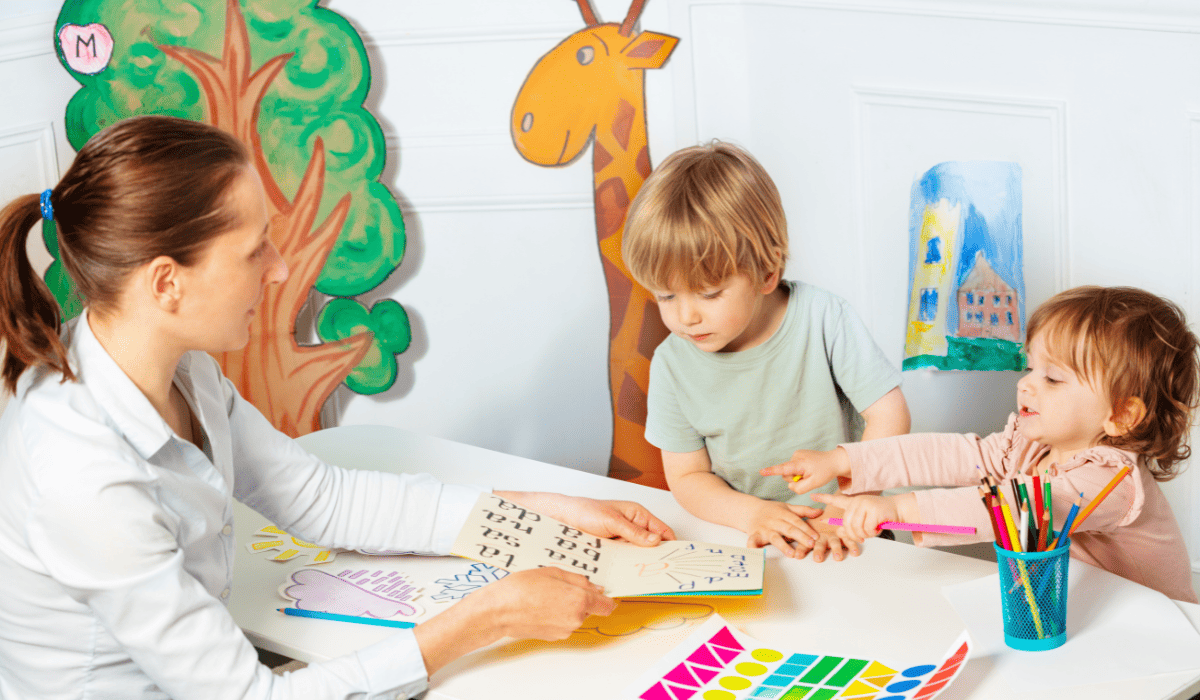
Applied Behavior Analysis (ABA) therapy is widely recognized as an effective approach for supporting skill development and behavior management in children. One of the ways qualified ABA providers enhance therapy outcomes is by integrating play into daily routines. For instance, parents seeking in home aba services can work alongside certified professionals to ensure that natural interactions reinforce therapy goals, creating consistency between clinical sessions and daily life. By thoughtfully incorporating everyday play, children are given opportunities to generalize skills in a meaningful and engaging way.
Understanding the Role of Play in ABA Therapy
Play is a natural activity for children, providing a platform for learning social, communication, and cognitive skills. In ABA therapy, play is not only an enjoyable activity but also a structured opportunity to practice targeted behaviors. By using everyday play intentionally, therapists can focus on objectives such as language development, turn-taking, problem-solving, and emotional regulation.
Professional ABA providers design play-based interventions to align with each child’s individualized plan. While therapists lead structured sessions in an ABA clinic, families can also benefit from in-home based ABA therapy service in Cleveland, Sioux Falls, where therapists work directly with the child in familiar surroundings. Everyday play at home can reinforce these learning objectives, and therapists guide caregivers on embedding practice opportunities in daily routines—without turning play into formal instruction.
How Everyday Play Supports Therapy Goals
Reinforcing Communication Skills
Many ABA goals center on improving communication, whether verbal or non-verbal. Everyday play provides repeated chances to request items, make choices, and respond to peers or adults. For example, during a building block activity, a child can practice requesting a specific color or shape.
Professional providers can observe these interactions and suggest prompts or reinforcement strategies that naturally encourage the child to use language. Integrating these moments into daily activities ensures that communication skills are not limited to the therapy session but extend into real-world contexts.
Enhancing Social Interaction
Play provides an ideal setting for practicing social skills such as sharing, waiting for a turn, and cooperative problem-solving. Structured play interventions designed by ABA professionals encourage children to engage with others while practicing these essential skills.
Even simple board games, role-playing activities, or outdoor group games can serve as opportunities to practice social routines. When guided appropriately, everyday play can complement therapy sessions in aba centers in Cleveland Sioux Falls, SD helping children transfer skills learned in clinical settings to interactions with peers.
Building Cognitive and Functional Skills
Many ABA goals involve developing problem-solving, attention, and executive functioning skills. Play engaging aba activities such as puzzles, matching games, or simple construction projects allow children to practice focus, sequencing, and planning.
Professional therapists can recommend activities that match a child’s current skill level while gradually increasing complexity. For caregivers, understanding how play choices can align with therapy goals is essential. This ensures that playtime not only entertains but also serves as a meaningful learning opportunity, supporting the structured objectives of private aba therapy near me.
Strategies for Incorporating Play at Home
While ABA therapy should always be delivered by qualified professionals, caregivers play a supportive role in generalizing skills through everyday play. Strategies include:
- Following the child’s interests: Use toys or games that naturally motivate the child to engage. Motivation is crucial for reinforcing skills without causing frustration.
- Modeling targeted behaviors: Demonstrate desired actions or communication during play. For instance, model polite requests or descriptive language.
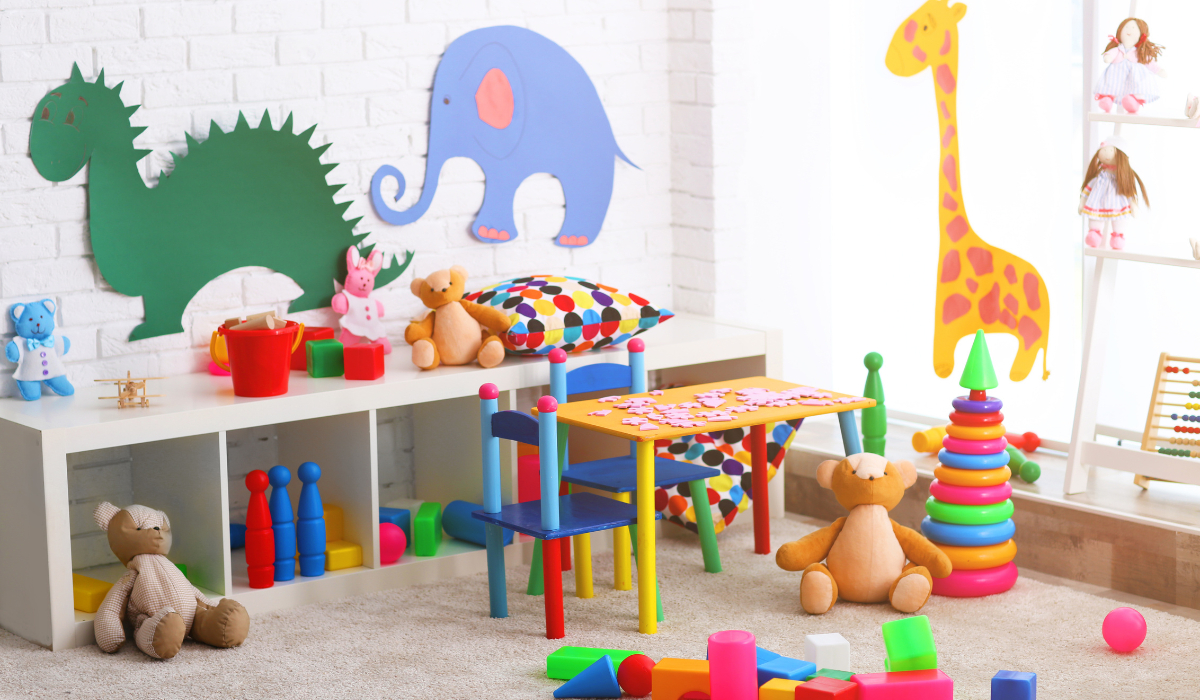
- Providing structured opportunities: Even casual play can include structured opportunities to practice specific skills, such as turn-taking or identifying colors and shapes.
- Using positive reinforcement: Encourage repeated attempts at skills through immediate and meaningful reinforcement, consistent with strategies suggested by the therapist.
Through these strategies, caregivers contribute to a consistent learning environment that complements professional therapy delivered in settings like applied behavioral analysis near me.
Collaborating with Therapy Providers
Collaboration between families and ABA providers is central to achieving meaningful outcomes. Providers often develop individualized programs that include guidance for extending therapy goals into everyday activities. Caregivers and educators are not expected to deliver therapy themselves but to support and reinforce learning opportunities as advised by qualified professionals.
Regular communication between therapists and caregivers ensures that progress is monitored and interventions are adjusted as needed. Play-based strategies can be updated as children achieve milestones, maintaining an ongoing alignment between clinical sessions and home or community routines.
Benefits of Structured Everyday Play
Integrating structured play into daily routines offers several benefits for children receiving ABA therapy:
- Skill Generalization: Children learn to apply behaviors and skills across multiple contexts, reducing dependency on the therapy setting.
- Increased Engagement: Play is inherently motivating, making practice more enjoyable and likely to occur consistently.
- Early Intervention Reinforcement: Skills targeted in clinical sessions are reinforced in natural environments, promoting faster and more sustainable progress.
- Collaboration Opportunities: Everyday play allows caregivers to participate in the child’s growth under professional guidance, enhancing the overall learning ecosystem.
By intentionally connecting play to therapy goals, families and educators support a holistic approach that complements structured ABA sessions offered at aba clinic near me or through in home aba therapy in Cleveland Sioux Falls, SD.
Examples of Everyday Play Activities
Here are some practical examples of integrating play with ABA therapy objectives:
- Interactive storytelling: Children practice sequencing, vocabulary, and social engagement by taking turns adding parts to a story.
- Cooking or snack preparation: Simple food preparation allows practice with following directions, counting, and requesting items.
- Building and construction play: Legos or blocks encourage planning, spatial reasoning, and communication while modeling turn-taking.
- Role-playing games: Pretend play helps children navigate social scripts and practice problem-solving in controlled, enjoyable scenarios.
- Movement games: Activities that involve following rules, taking turns, or executing patterns of movement help develop attention, coordination, and social skills.
Each of these activities can be adjusted to the child’s developmental level and therapy goals, under the guidance of an ABA provider, including those affiliated with in home aba services or private aba therapy near me.
Challenges and Considerations
While everyday play can be highly effective, it is important to address potential challenges:
- Consistency: Play opportunities must be integrated regularly to reinforce learning. Sporadic or inconsistent practice may limit progress.
- Over-structuring: While guidance is helpful, play should remain enjoyable. Overly rigid implementation can reduce motivation.
- Monitoring Progress: Caregivers should communicate with therapists about which activities are working and which require adjustments to ensure alignment with therapy goals.
Professional ABA providers can offer strategies to balance structure with natural play, ensuring that play remains both enjoyable and therapeutic.
Measuring Success Through Play
ABA therapy relies on data-driven approaches. Everyday play can generate valuable observational data for therapists, including frequency of target behaviors, communication attempts, or successful social interactions.
Providers may suggest simple tracking methods for caregivers, such as noting which skills were practiced and how the child responded. This collaborative approach allows therapists to adjust interventions, ensuring that progress continues beyond the clinical environment and across multiple settings.
Integrating Play in School or Community Settings
While ABA therapy sessions primarily occur in clinics or home settings, skills learned through everyday play can extend to schools, after-school programs, and community activities. Collaborative planning with educators ensures that targeted behaviors are reinforced consistently.
Even simple group activities or recreational programs provide structured yet natural opportunities to practice social, communication, and functional skills. Coordination between professional ABA providers and educational staff helps children apply what they learn in clinical settings to broader environments, supporting a comprehensive developmental strategy.
Everyday Play to Support ABA Therapy Goals
Intentional everyday play serves as a bridge between formal therapy sessions and natural learning environments. By embedding practice opportunities into enjoyable daily activities, children are more likely to generalize skills and maintain engagement.
Using everyday play to support ABA therapy goals involves collaboration, consistency, and guidance from professional aba therapy service providers in Sioux Falls, SD .While caregivers are essential partners, therapy delivery remains the responsibility of qualified professionals, whether at an ABA center in Sioux Falls, or through in-home ABA therapy services.
This approach ensures that children benefit from structured interventions while experiencing the natural joy and engagement of play. With thoughtful planning and professional support, everyday play can significantly reinforce therapy objectives and foster meaningful, lasting skill development.
Conclusion
Everyday play is more than leisure. It is a valuable tool for supporting ABA therapy goals. When thoughtfully integrated under professional guidance, play provides repeated, enjoyable opportunities to practice communication, social, and cognitive skills. Collaboration between caregivers, educators, and ABA providers ensures that children receive consistent support across settings while retaining the natural joy of play.
Professional ABA therapy providers remain central to designing and monitoring individualized programs, with everyday play serving as a complementary strategy for reinforcing skill development in meaningful contexts.
At Possibilities ABA, we offer compassionate ABA therapy services for children and teens with autism. Our focus is on meaningful progress, respectful care, and skills that truly make a difference for the entire family.
FAQs
What is the role of everyday play in ABA therapy?
Everyday play provides a natural setting for children to practice communication, social, and cognitive skills targeted in ABA therapy. Under the guidance of professional providers, play reinforces therapy goals in a way that feels enjoyable and meaningful, helping children generalize skills across different environments.
Can caregivers implement ABA therapy goals during play at home?
Caregivers are valuable partners in reinforcing ABA therapy goals through everyday play, but therapy should always be delivered by qualified professionals. With guidance from therapists, caregivers can embed practice opportunities into daily routines without turning play into formal instruction, supporting skill generalization.
How do ABA providers integrate play into structured programs?
Professional ABA providers design play-based interventions that align with each child’s individualized plan. Activities are selected to target specific goals, such as communication, social interaction, or problem-solving, and are monitored to ensure children are making progress in a structured, evidence-based manner.
What types of play activities are most effective for skill development?
Board games, role-playing, building blocks, pretend play, and interactive storytelling are all effective ways to practice ABA therapy goals. These activities can target communication, social routines, cognitive skills, and problem-solving, while remaining enjoyable and motivating for children.
How can progress be measured during everyday play?
Therapists may recommend simple observation and tracking methods for caregivers, such as noting successful communication attempts, social interactions, or problem-solving efforts. This collaborative approach ensures therapists can adjust interventions based on real-world practice and reinforce progress consistently.