
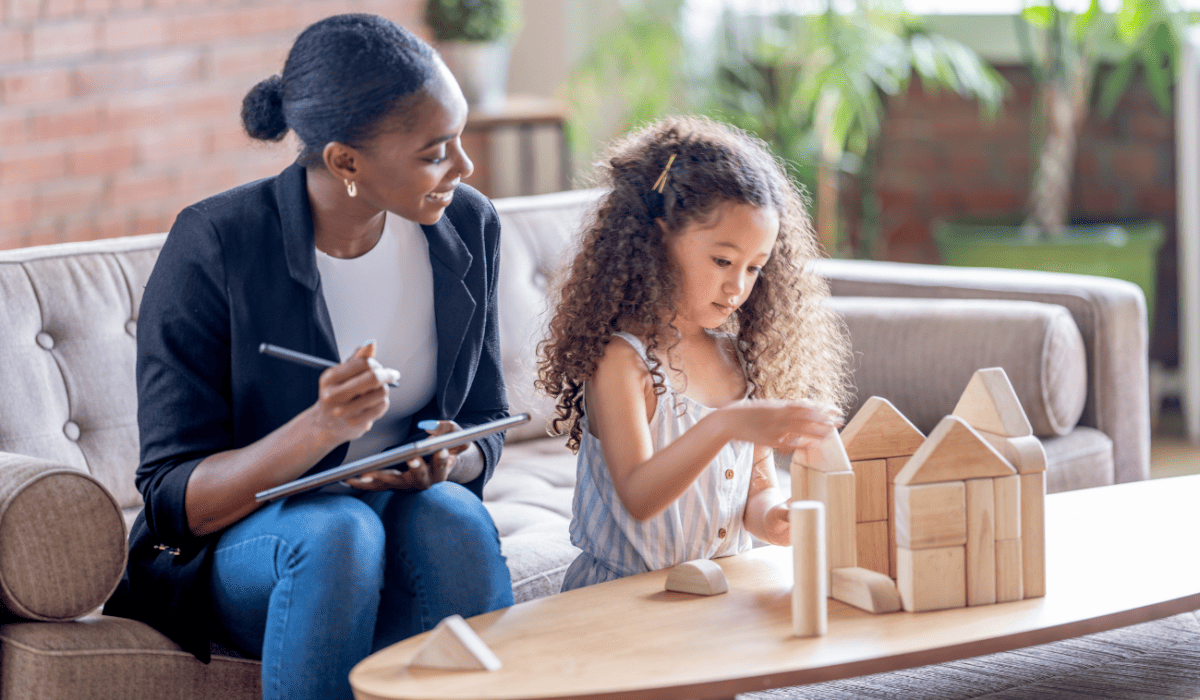
Developing strong communication skills is essential for children’s growth, and parents often seek effective ways to support this at home. One proven approach is implementing ABA Activities, which use structured, evidence-based techniques to encourage communication in children. Families searching for autism evaluations in La Verkin, Utah can find support from specialists who integrate these activities into home routines, making learning both effective and enjoyable.
ABA Activities focus on building communication skills by breaking complex behaviors into smaller, manageable steps. They provide a structured yet flexible way to reinforce positive interactions, help children express their needs, and improve social understanding. When used consistently at home, these activities can complement professional therapy sessions, creating a well-rounded approach to communication development.
Understanding ABA Activities
ABA, or Applied Behavior Analysis, is a methodical approach that helps children acquire new skills through structured learning experiences. ABA Activities are designed to teach children specific communication strategies, ranging from basic gestures and words to forming full sentences.
These activities are goal-oriented and personalized, taking into account each child’s strengths, challenges, and developmental stage. When implemented in a home setting, ABA Activities encourage daily practice in a familiar and supportive environment, which can significantly improve retention and generalization of skills.
Choosing the Right Activities for Communication
Selecting the appropriate ABA Activities requires understanding your child’s current communication abilities. Activities should be engaging, motivating, and designed to foster interaction rather than passive learning.
One practical approach is using turn-taking games. These encourage children to respond, wait for their turn, and practice both verbal and nonverbal communication. For example, playing a simple board game or a card game that involves calling out colors, shapes, or numbers provides natural opportunities for dialogue and interaction.
In addition, activities that involve labeling objects in the home or during daily routines can reinforce vocabulary. Parents can point to items during breakfast, asking children to name them, or use simple question-and-answer exercises while getting dressed or brushing teeth.
Interactive Storytelling
Storytelling is a highly effective ABA Activity for developing communication. Reading picture books and asking children to describe what they see or predict what happens next encourages expressive language.
Parents can take turns telling parts of a story, prompting children to respond with their own words. Using props or puppets adds a multisensory dimension that captures attention and motivates participation. This kind of interaction also supports understanding of sequencing, vocabulary building, and conversational turn-taking.
Daily Routine-Based Activities
Incorporating ABA Activities into daily routines is an excellent way to practice communication consistently. Activities can be as simple as asking children to help prepare meals, set the table, or organize their toys.
During these routines, parents can model appropriate language, encourage children to make requests, and respond to questions. For instance, asking a child to hand over a plate and saying, “Can you give me the red plate?” encourages comprehension and verbal response.
Daily routines also provide natural opportunities for reinforcement. Praising efforts and offering small rewards helps children associate communication with positive outcomes, increasing motivation to participate.
Play-Based ABA Activities
Play is a powerful medium for communication development. ABA Activities that involve play encourage children to express themselves while learning important social skills.
For example, pretend play with dolls, action figures, or toy kitchens allows children to narrate actions, ask questions, and respond to others. Parents can guide conversations by introducing new words, asking “wh” questions (who, what, where), or encouraging children to explain their actions.
Interactive play with peers or siblings can also be structured using ABA principles. Parents can facilitate turn-taking, initiate conversation prompts, or create storytelling scenarios to foster dialogue. These experiences provide practical opportunities for children to practice skills in social contexts.
Visual Supports for Communication
Visual supports are an effective addition to ABA Activities. Using picture cards, charts, or visual schedules can help children express themselves even if verbal skills are limited.
For example, a visual choice board allows children to indicate preferences, such as choosing a snack or selecting an activity. This not only encourages communication but also helps children learn decision-making and independence.
Visual supports can be incorporated into daily routines, playtime, or structured learning activities. The combination of visual and verbal cues ensures children understand expectations and can communicate effectively.
Technology-Assisted ABA Activities
Technology can enhance ABA Activities at home by providing interactive tools for learning communication. Tablet apps, speech-generating devices, or educational software can complement hands-on activities.
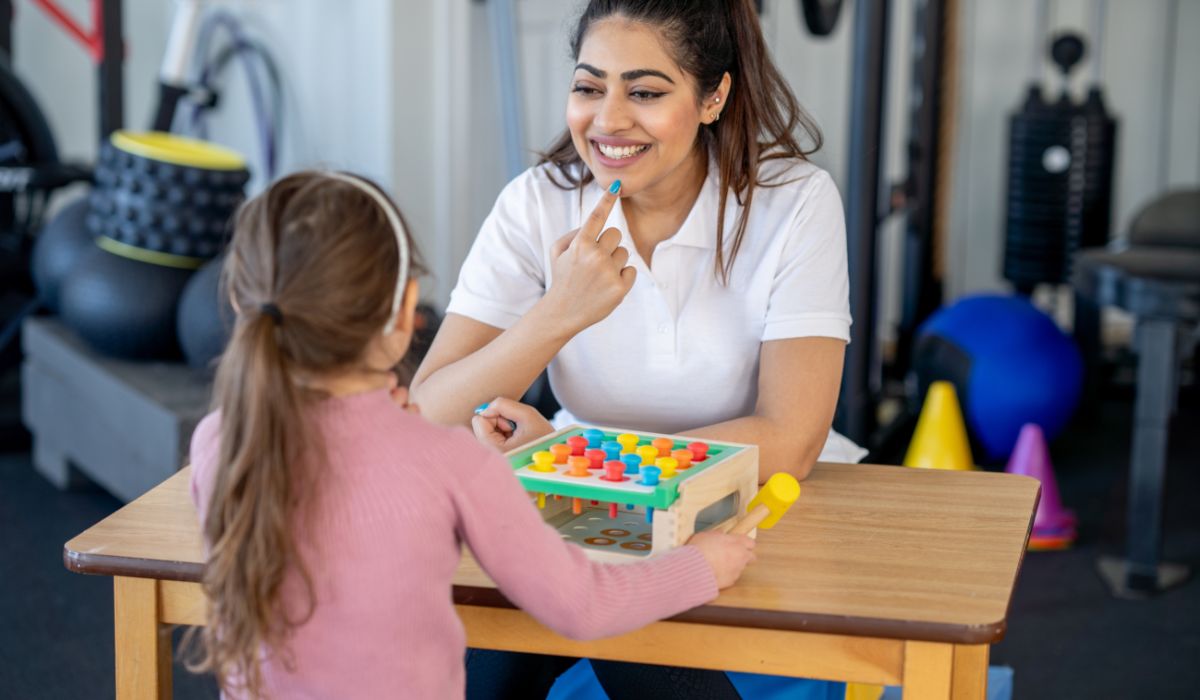
Apps that encourage labeling objects, forming sentences, or responding to prompts provide immediate feedback, reinforcing correct communication attempts. Parents should monitor usage and integrate technology with real-world practice, ensuring that skills learned on devices transfer to daily interactions.
Collaborative Parent-Child Activities
Parents are central to the success of ABA Activities. Collaborative activities strengthen the parent-child bond while creating opportunities for learning.
Simple collaborative tasks, such as building a puzzle together or following a recipe, encourage children to give instructions, ask for help, or narrate their actions. Parents can model appropriate communication, reinforce attempts, and gradually reduce assistance as children gain confidence.
The key is consistency. Engaging in daily, structured interactions ensures children practice communication regularly, leading to measurable improvements over time.
Tracking Progress
To maximize the effectiveness of ABA Activities, parents should track their child’s progress. Keeping a simple log of activities, responses, and improvements helps identify which strategies work best.
Tracking allows for adjustments to make activities more challenging or rewarding, maintaining engagement and motivation. Additionally, progress records are useful for therapists, especially when coordinating with professional services like aba therapy for autism near me. This ensures that home activities align with broader therapeutic goals.
Tips for Successful Implementation
- Start small: Introduce one or two ABA Activities at a time to prevent overwhelm.
- Be consistent: Daily practice, even for short periods, yields better results.
- Use reinforcement: Praise, small rewards, and encouragement motivate children.
- Adapt to interests: Incorporate favorite toys, topics, or activities to increase engagement.
- Collaborate with professionals: Consultation with therapists can help tailor activities to individual needs.
Benefits of ABA Activities at Home
Implementing ABA Activities at home offers multiple benefits:
- Enhanced communication skills: Children learn to express themselves more effectively.
- Increased confidence: Successful communication attempts boost self-esteem.
- Reinforced therapy goals: Activities complement professional sessions.
- Strengthened family bonds: Structured parent-child interactions foster connection.
By integrating these activities into everyday life, parents create a supportive environment where children can thrive and develop essential communication skills.
Conclusion
ABA Therapy Techniques are a practical and effective way to develop communication skills for children at home. By incorporating structured, goal-oriented, and engaging exercises into daily routines, parents can foster language, social interaction, and confidence. With consistent practice and collaboration with professionals offering services like autism evaluations in La Verkin, Utah, families can support meaningful growth and create a foundation for lifelong communication success.
Possibilities ABA was founded on the belief that every child and young adult can succeed with the right tools. Our mission is to help our learners and their loved ones imagine the new opportunities and possibilities that come from meaningful growth and change.
FAQs
What are ABA Activities, and how do they help communication?
ABA Activities are structured exercises based on Applied Behavior Analysis principles. They help children improve communication skills by breaking complex behaviors into manageable steps. Through repeated practice, children learn to express needs, respond to questions, and engage in meaningful interactions.
Can ABA Activities be done at home without a therapist?
Yes. Many ABA Activities are designed for home use. Parents can implement simple strategies like turn-taking games, storytelling, or daily routine-based exercises. However, consulting with a professional ensures the activities are personalized and aligned with your child’s developmental goals.
How often should I practice ABA Activities with my child?
Consistency is key. Short, daily sessions of 10–20 minutes are often more effective than occasional long sessions. Integrating activities into daily routines, playtime, or meals ensures consistent practice and helps skills generalize to real-life situations.
What are some examples of effective ABA Activities for communication?
Examples include:
- Turn-taking board or card games
- Storytelling with picture books or puppets
- Daily routines like meal prep or setting the table
- Collaborative play, such as building puzzles or pretend play
- Using visual choice boards or communication charts
How can technology support ABA Activities at home?
Technology, such as tablet apps or speech-generating devices, can complement ABA Activities. Apps can encourage labeling objects, forming sentences, or responding to prompts. Combining technology with real-life interactions ensures children can apply learned skills effectively.
Are ABA Activities suitable for all children with communication delays?
Yes, ABA Activities are adaptable for various communication levels. Activities can be tailored to a child’s abilities, interests, and goals. Professionals offering services like aba therapy for autism near me can help customize activities for maximum benefit.
How do I track my child’s progress with ABA Activities?
Keep a simple log of the activities, frequency, and your child’s responses. Note improvements, challenges, and engagement levels. Tracking progress helps identify effective strategies and provides valuable insights for coordinating with therapists.
Can ABA Activities improve social interaction as well as communication?
Absolutely. Many ABA Activities involve interaction with parents, siblings, or peers, teaching children to take turns, follow directions, and respond appropriately. This not only enhances communication but also social skills.