
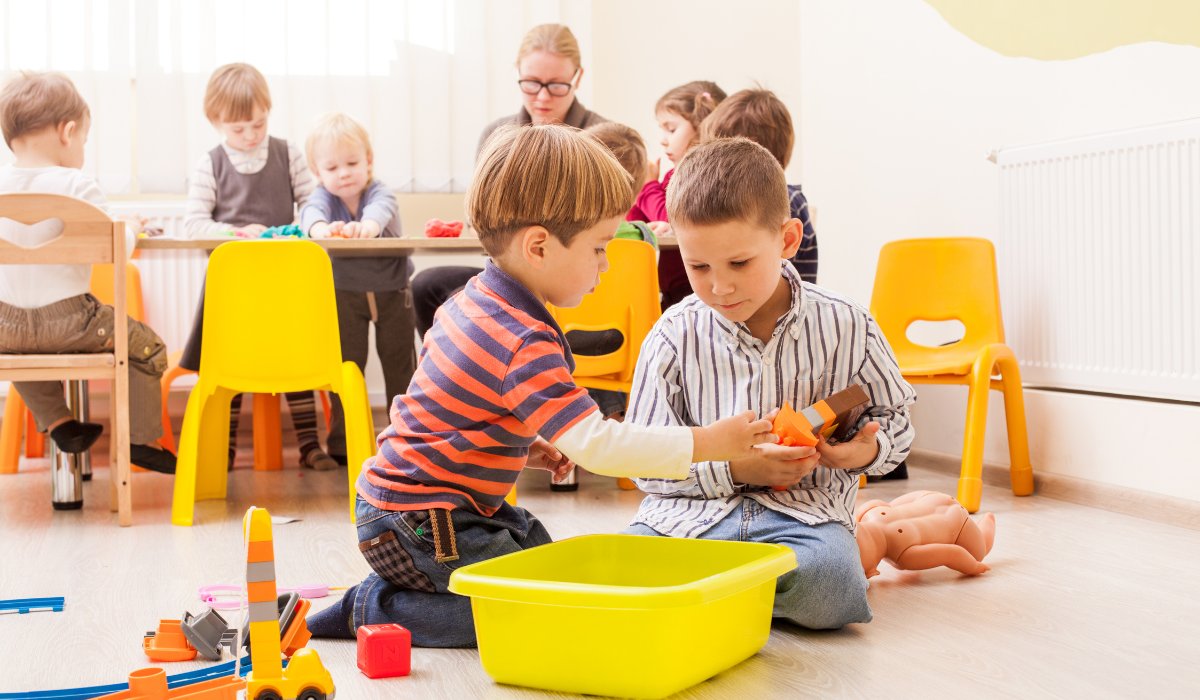
Parents sometimes notice that certain environments quickly overwhelm their children. A crowded store, a sudden alarm, or the noise of a busy classroom can lead to intense reactions that may appear surprising to others. When these situations occur repeatedly, families often begin searching for explanations and ways to help their child feel more comfortable in daily environments.
One reason families begin exploring support options is the connection between environmental triggers and behavior. Many families researching aba therapy services want to understand why these reactions occur and how structured support can help children gradually adapt to challenging environments. Understanding the reasons behind these responses can make a significant difference in how parents approach everyday situations.
The term Autism Overreaction to Noise is often used to describe situations where certain sounds or crowded settings lead to strong behavioral responses. These reactions are not simply a matter of preference or attitude. Instead, they are connected to how some children process environmental information and respond to unexpected changes in their surroundings.
Why Loud Sounds Can Be Difficult for Some Children
Many environments contain layers of sound that adults may barely notice. For some children, however, these sounds can become overwhelming when they occur suddenly or in combination with other background noise.
Several factors may contribute to strong reactions to noise:
Sudden Changes in Sound
Unexpected sounds can cause a quick startle response. When a loud noise occurs without warning—such as a siren, a dropped object, or a loud announcement—the child may react immediately. This response is often linked to the brain’s natural alert system, which prepares the body to react quickly to potential threats.
Difficulty Filtering Background Noise
Busy places like shopping centers, school hallways, or playgrounds often include multiple sound sources happening at the same time. Conversations, footsteps, equipment noises, and music may all blend together.
When a child has difficulty filtering these sounds, it may become challenging to focus on a single activity or conversation. As a result, the environment can feel confusing or overwhelming.
Limited Predictability in Crowded Spaces
Children often feel more comfortable when routines and environments are predictable. Crowded places frequently involve unexpected sounds and movements.
For example, someone may laugh loudly nearby, an object may fall, or a group of people may suddenly pass by. These unpredictable elements can increase stress levels and lead to noticeable reactions.
How Crowded Environments Influence Reactions
Crowded settings often combine multiple challenges at once. Noise levels increase, personal space decreases, and the environment becomes less predictable.
For some children, this combination can quickly lead to frustration, anxiety, or avoidance behaviors. Parents may notice reactions such as covering ears, crying, attempting to leave the area, or refusing to enter certain locations.
When these reactions occur repeatedly in similar environments, they may be described as Autism Overreaction to Noise. Understanding the environmental factors involved helps caregivers respond with supportive strategies rather than assuming the child is misbehaving.
Emotional and Behavioral Responses to Loud Environments
Children who struggle with loud or crowded environments may show a variety of responses. These reactions can differ depending on the situation, the child’s comfort level, and how long they remain in the environment.
Common responses may include:
- Avoiding crowded areas
- Becoming upset or crying when noise increases
- Attempting to leave the environment quickly
- Showing difficulty focusing on tasks or instructions
- Displaying frustration or irritability
These reactions are often the child’s way of communicating discomfort when the environment becomes too difficult to manage. Recognizing these signals allows parents and professionals to respond with patience and structured support.
The Role of Learning and Behavior Strategies
Behavior-based learning strategies can help children gradually develop skills to manage challenging environments. Programs built around aba therapy often focus on identifying triggers, teaching coping strategies, and reinforcing positive behaviors when children successfully manage difficult situations.
Professionals typically begin by observing when reactions occur most frequently. This information helps identify patterns such as specific locations, types of sounds, or certain times of day that may contribute to the child’s response.
Once these patterns are understood, individualized plans can be created to help children build tolerance and confidence in environments that previously caused distress.
Teaching Children to Handle Challenging Sound Environments
Structured learning approaches often focus on gradual exposure and skill development. The goal is not to force children into uncomfortable situations but to help them build tools that allow them to navigate those situations more successfully over time.
Several supportive strategies may be used.
Gradual Introduction to Noisy Environments
Rather than immediately placing a child in a crowded or loud setting, professionals may start with quieter environments and slowly introduce more complex situations.
For example, a child might first practice visiting a quiet store during less busy hours before gradually experiencing busier times of the day.
Practicing Communication Skills
Some children respond strongly to noise because they cannot easily communicate what they are experiencing. Teaching simple communication strategies can help them express discomfort before the situation escalates.
Children may learn to ask for a break, request help, or move to a quieter location.
Reinforcing Positive Coping Behaviors
When children successfully remain calm or use a coping strategy in a difficult environment, positive reinforcement can encourage them to repeat those behaviors in the future.
This reinforcement helps build confidence and encourages gradual progress over time.
How Environment Adjustments Can Help
In addition to teaching coping skills, small adjustments to daily routines can make environments more manageable for children who react strongly to noise.
Examples may include:
- Visiting busy locations during quieter hours
- Preparing the child in advance for upcoming events
- Allowing short breaks during long or crowded activities
- Creating quiet spaces at home or school
These simple adjustments can significantly reduce stress for children and their families while skill-building continues.
Support Options for Families
Families seeking guidance often begin by searching online for aba services near me to locate qualified professionals in their area. These services typically involve individualized plans designed to address each child’s specific needs and challenges.
Support may occur in different settings depending on the child’s needs and family preferences. Some programs take place in clinics, while others provide learning opportunities in familiar environments such as the child’s home.
Programs that offer in home aba services in sioux falls allow children to practice skills in the environments where they spend the most time. This approach can help make learning more practical and relevant to daily life.
How Parents Can Support Their Child at Home
Parents play an essential role in helping children navigate environments that include loud sounds or crowded spaces. Small changes in preparation and communication can make a meaningful difference.
Helpful approaches may include:
- Explaining upcoming activities in advance
- Practicing calming strategies together
- Offering encouragement after successful experiences
- Observing patterns that may trigger strong reactions
When parents understand the reasons behind Autism Overreaction to Noise, they can respond with patience and proactive planning rather than frustration.
When Professional Guidance May Be Helpful
Occasional discomfort in loud environments is common for many children. However, when reactions frequently interfere with daily routines, school participation, or family activities, professional guidance may be beneficial.
Specialists trained in behavior analysis can evaluate the child’s responses and develop structured plans that focus on skill development. These plans often include collaboration with parents and teachers to ensure consistent support across environments.
By addressing challenges gradually and systematically, many children learn strategies that allow them to participate more comfortably in a variety of everyday settings.
Long-Term Progress and Skill Development
Progress in managing environmental challenges typically occurs gradually. Children may begin by tolerating short periods in slightly noisy environments and then slowly increase their comfort levels as their coping skills develop.
With consistent support and reinforcement, many children become more confident navigating situations that once caused strong reactions. Over time, they may learn to communicate their needs, take breaks when necessary, and remain engaged in activities even when background noise increases.
Understanding Autism Overreaction to Noise helps families and professionals focus on skill-building rather than simply trying to avoid challenging environments. This approach encourages long-term growth and independence.
Conclusion
Strong reactions to loud sounds or crowded environments can be confusing and stressful for both children and their families. However, these responses often reflect difficulties managing complex environmental information rather than intentional behavior problems.
By identifying triggers, adjusting environments when possible, and teaching practical coping strategies, families and professionals can help children gradually develop greater comfort in everyday situations. Structured learning approaches, supportive routines, and patient guidance all contribute to meaningful progress over time.
Understanding Autism Overreaction to Noise allows parents to approach these challenges with empathy and informed strategies, helping children build confidence and participation in the world around them.
Possibilities ABA was founded on the belief that every child and young adult can succeed with the right tools. Our mission is to help our learners and their loved ones imagine the new opportunities and possibilities that come from meaningful growth and change.
FAQs
Why do some children react strongly to loud noises or crowded environments?
Some children may have difficulty managing sudden sounds or multiple noises happening at once. When environments become unpredictable or very loud, it can lead to stress and strong behavioral responses.
What situations commonly trigger strong reactions to noise?
Busy shopping centers, school assemblies, sporting events, alarms, and crowded gatherings are common situations where sound levels and unpredictability increase, which can make these environments challenging for some children.
How can parents prepare their child before entering a noisy place?
Parents can talk about the upcoming environment in advance, explain what sounds might occur, and plan short breaks if the setting becomes overwhelming. Preparation can help reduce anxiety and improve cooperation.
Can behavior-based learning strategies help children manage loud environments?
Yes. Programs that use aba therapy services often focus on identifying triggers, teaching coping strategies, and gradually helping children become more comfortable in challenging environments.