
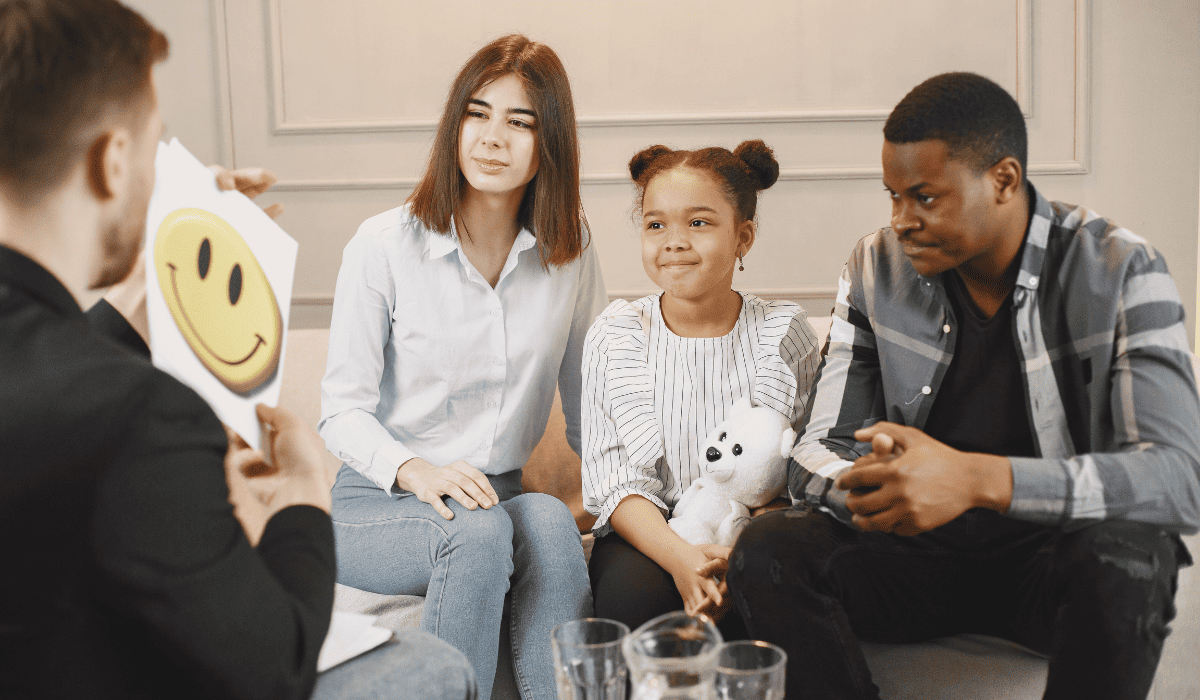
Building strong social skills in children is a vital part of their overall development. Social play not only enhances communication but also helps children form meaningful relationships with their peers. One effective approach is using ABA Therapy Techniques, which can be customized to each child’s needs. For families seeking structured support, in-home ABA therapy near me or home based ABA therapy La Verkin, Utah offers personalized programs in familiar environments, making the learning process more comfortable and consistent.
ABA therapy has long been recognized as a powerful tool for teaching children important social, behavioral, and emotional skills. By focusing on structured reinforcement, modeling, and guided interactions, ABA provides strategies to promote engagement, turn-taking, cooperation, and imaginative play.
Understanding Social Play and Its Importance
Social play is a form of interaction where children engage with one another to explore, communicate, and enjoy shared experiences. This kind of play is crucial for developing emotional intelligence, empathy, and collaboration. Children who participate in consistent social play are more likely to build confidence and learn problem-solving skills that last a lifetime.
While some children naturally gravitate toward social play, others may need guidance to develop these abilities. ABA Therapy Techniques are designed to identify barriers and provide structured methods to encourage positive interactions.
Using Reinforcement to Promote Social Interaction
One of the core principles of ABA is reinforcement. Positive reinforcement encourages desired behaviors by providing rewards when the child successfully engages in social interactions. Rewards can be verbal praise, tokens, or access to preferred activities.
For example, if a child shares a toy or waits for their turn, a therapist may offer immediate praise or a token that can later be exchanged for a preferred reward. Over time, consistent reinforcement helps children understand the value of cooperation and social engagement.
Modeling Appropriate Social Behavior
Modeling is a technique where therapists demonstrate a desired behavior for the child to imitate. This could include greetings, sharing, cooperative play, or conflict resolution strategies.
In a typical session, a therapist might play a game with one child while another observes. The observing child is then encouraged to replicate the behavior. This step-by-step guidance helps children understand not only what is expected but also how to perform social behaviors in real situations.
Structured Play Sessions
Structured play is an ABA approach where play activities are carefully organized to focus on specific social skills. Games are chosen and adapted to target skills such as turn-taking, following rules, and initiating conversation.
For instance, board games or cooperative building tasks can help children practice patience, attention, and teamwork. Therapists can gradually increase the complexity of the play, ensuring that children experience both success and manageable challenges.
Prompting and Fading Techniques
Prompting is used to guide children through social situations by providing cues, hints, or partial demonstrations of desired behaviors. Over time, prompts are gradually faded to encourage independence.
For example, a child may initially need a hand-over-hand guide to share toys, which is later replaced by verbal prompts, and eventually, the child performs the action independently. This gradual reduction of support is crucial for building confidence and ensuring that skills are retained outside the therapy session.

Natural Environment Teaching
ABA techniques are most effective when applied in environments where children naturally interact. This could be at home, school, or playgrounds. Home based ABA therapy La Verkin, Utah emphasizes teaching social skills in settings where children will use them daily.
By practicing social behaviors in realistic contexts, children learn to generalize skills across different situations. This increases the likelihood that positive social behaviors continue beyond therapy sessions.
Peer-Mediated Interventions
Another powerful approach is involving peers in the therapy process. Peer-mediated interventions encourage children to interact with classmates or siblings who model appropriate social behaviors.
Therapists guide peers on how to provide prompts and reinforcement, creating a supportive and collaborative environment. Peer interactions often motivate children to participate more actively because they are naturally engaging and rewarding.
Using Visual Supports
Visual supports such as social stories, cue cards, or picture schedules help children understand expectations during play. These tools provide a clear structure and reduce confusion, allowing children to focus on engaging with peers.
For example, a social story may illustrate how to invite a friend to join a game or how to take turns. Over time, children internalize these steps and are better prepared to interact independently.
Teaching Turn-Taking and Sharing
Turn-taking and sharing are fundamental social skills that require patience, self-regulation, and attention to others. ABA therapists design specific activities to target these skills, using reinforcement to encourage cooperative behavior.
Activities might include building a tower with blocks, passing a ball in a game, or drawing collaboratively. By reinforcing positive attempts and guiding through challenges, children gradually learn how to wait, share, and respect peer interactions.
Encouraging Communication Through Play
Play provides a natural opportunity for children to practice communication. ABA techniques focus on prompting appropriate verbal and nonverbal communication during play activities.
Children are encouraged to request items, comment on shared experiences, and respond to peers. For non-verbal children, therapists may incorporate communication devices or picture exchange systems to ensure all children can participate and express themselves effectively.
Monitoring Progress and Adjusting Interventions
Consistent monitoring is essential to ensure that ABA interventions are effective. Therapists track progress on social skills, identify challenges, and adjust strategies as needed.
Regular communication with parents and caregivers ensures that techniques used in therapy are reinforced at home. This collaborative approach strengthens skill development and promotes lasting improvements in social play.
Collaboration with Families
Family involvement is a critical component of successful ABA therapy. Parents and caregivers are trained to implement strategies during everyday routines, such as mealtime, playtime, or outings.
By practicing skills consistently across settings, children are more likely to generalize behaviors and maintain them over time. In-home ABA therapy near me provides families with direct support, guidance, and tools to foster social development at home.
Benefits of ABA Techniques in Social Play
ABA therapy techniques offer multiple benefits for children struggling with social interactions. These include:
- Enhanced ability to share, take turns, and cooperate.
- Improved communication and expression of needs.
- Greater confidence in group settings.
- Development of long-lasting friendships and meaningful peer relationships.
- Skills that generalize beyond therapy sessions into school and community life.
By implementing structured ABA strategies, children gain not only social skills but also the confidence and motivation to engage meaningfully with peers.
Conclusion
ABA therapy techniques provide structured, evidence-based methods to encourage social play and positive peer interactions in children. Through reinforcement, modeling, structured play, prompting, and family collaboration, children can develop skills that improve their social confidence and overall well-being.
Possibilities ABA was founded on the belief that every child and young adult can succeed with the right tools. Our mission is to help our learners and their loved ones imagine the new opportunities and possibilities that come from meaningful growth and change.
FAQs
What are ABA Therapy Techniques, and how do they help with social play?
ABA Therapy Techniques are structured, evidence-based methods used to teach children important social, behavioral, and communication skills. When applied to social play, these techniques help children learn how to interact with peers, share, take turns, and cooperate during group activities. By using reinforcement, modeling, and guided practice, children gradually develop confidence in social settings.
How can in-home ABA therapy near me help my child improve social skills?
In-home ABA therapy near me brings therapy directly into the child’s familiar environment, making learning more comfortable and natural. Therapists work with children during everyday routines and playtime to practice social skills in real-life contexts. This approach ensures consistency, promotes generalization of skills, and helps children feel secure while learning new social behaviors.
What does a typical home based ABA therapy La Verkin, Utah session look like?
A home based ABA therapy session in La Verkin, Utah usually involves structured play activities designed to teach specific social skills. Therapists may use games, building activities, or role-playing exercises to encourage turn-taking, sharing, and communication. Each session is personalized based on the child’s abilities, with reinforcement provided for positive interactions to motivate and encourage progress.
Are ABA Therapy Techniques effective for all children?
Yes, ABA Therapy Techniques are highly adaptable and can be customized for each child’s needs and developmental level. While some children may require more guidance or repeated practice, most children benefit from structured teaching, reinforcement, and support. Consistency and collaboration with caregivers are key factors in achieving lasting results.
How long does it take for children to show improvements in social play using ABA techniques?
The timeline for progress varies depending on the child’s starting skill level, age, and consistency of therapy. Some children may show improvements within a few weeks of regular practice, while others may need several months. Continuous reinforcement, family involvement, and practice in natural environments help accelerate skill development.
Can parents and caregivers be involved in ABA therapy for social play?
Absolutely. Parental involvement is a critical part of ABA therapy. Therapists guide parents on how to reinforce social skills during daily routines and playtime. By practicing strategies at home, parents ensure that children can generalize and maintain skills beyond structured therapy sessions. Home based ABA therapy La Verkin, Utah emphasizes family collaboration for long-term success.
What is the role of reinforcement in teaching social play?
Reinforcement is a cornerstone of ABA therapy. Positive reinforcement, such as verbal praise, tokens, or access to preferred activities, encourages children to repeat desired social behaviors. For example, a child may receive praise for sharing toys, taking turns, or joining a group game. Over time, these reinforced behaviors become habitual and increase social confidence.