

Emotional growth plays a vital role in a child’s overall development, shaping how they understand feelings, respond to challenges, and connect with others. For families searching for early autism intervention near me, structured therapeutic approaches can provide meaningful guidance during these formative years. One of the most effective methods focuses on helping children recognize emotions, regulate responses, and build confidence in everyday situations. This article explores how ABA Therapy Supports emotional growth through intentional teaching strategies, consistent reinforcement, and individualized planning.
Understanding Emotional Growth in Childhood
Emotional growth refers to a child’s ability to identify feelings, express emotions appropriately, manage frustration, and develop resilience. These skills are essential for success at home, school, and within the community. Emotional development does not happen overnight; it evolves through repeated experiences, guidance, and positive reinforcement.
Children often need direct instruction and modeling to understand emotions such as happiness, disappointment, excitement, or worry. When emotional skills are nurtured early, children are better equipped to navigate transitions, build relationships, and develop independence. Structured therapeutic support provides a framework where emotional learning can happen step by step, in ways that feel achievable and supportive.
Why Emotional Development Needs Structured Support
Some children experience difficulty interpreting social cues, expressing feelings, or managing emotional reactions. Without guidance, these challenges can affect learning, behavior, and self-esteem. Structured support helps break down emotional skills into manageable parts, allowing children to practice them in safe and predictable environments.
Consistency is especially important for emotional learning. When expectations and responses remain stable, children gain clarity about what is expected and how to respond. Over time, this predictability reduces anxiety and encourages emotional confidence. A well-planned approach ensures that emotional skills are practiced across different settings, reinforcing learning and promoting long-term success.
How ABA Therapy Supports Emotional Growth
ABA Therapy Supports emotional growth by using evidence-based strategies that focus on teaching skills through repetition, positive reinforcement, and clear expectations. Rather than assuming emotional understanding will develop naturally, this approach actively teaches children how to recognize and manage emotions in daily life.
Therapists observe each child closely to understand emotional triggers, strengths, and challenges. Based on this assessment, individualized goals are created to address emotional awareness, coping strategies, and appropriate expression. Progress is tracked consistently, ensuring that strategies are adjusted as the child grows and develops new skills.
Building Emotional Awareness Through Teaching
Emotional awareness begins with recognizing and labeling feelings. Children learn to identify emotions in themselves and others through structured lessons, visual supports, and real-life examples. These lessons help children connect physical sensations, facial expressions, and situations with specific emotions.
By practicing emotional labeling regularly, children gain the vocabulary needed to express how they feel. This reduces frustration and encourages communication instead of emotional outbursts. Over time, emotional awareness becomes a foundation for self-control and empathy.
Teaching Coping and Regulation Skills
Learning how to manage emotions is just as important as recognizing them. Children are guided through practical coping strategies that help them respond calmly to challenging situations. These strategies may include taking breaks, asking for help, or using calming routines when emotions feel overwhelming.
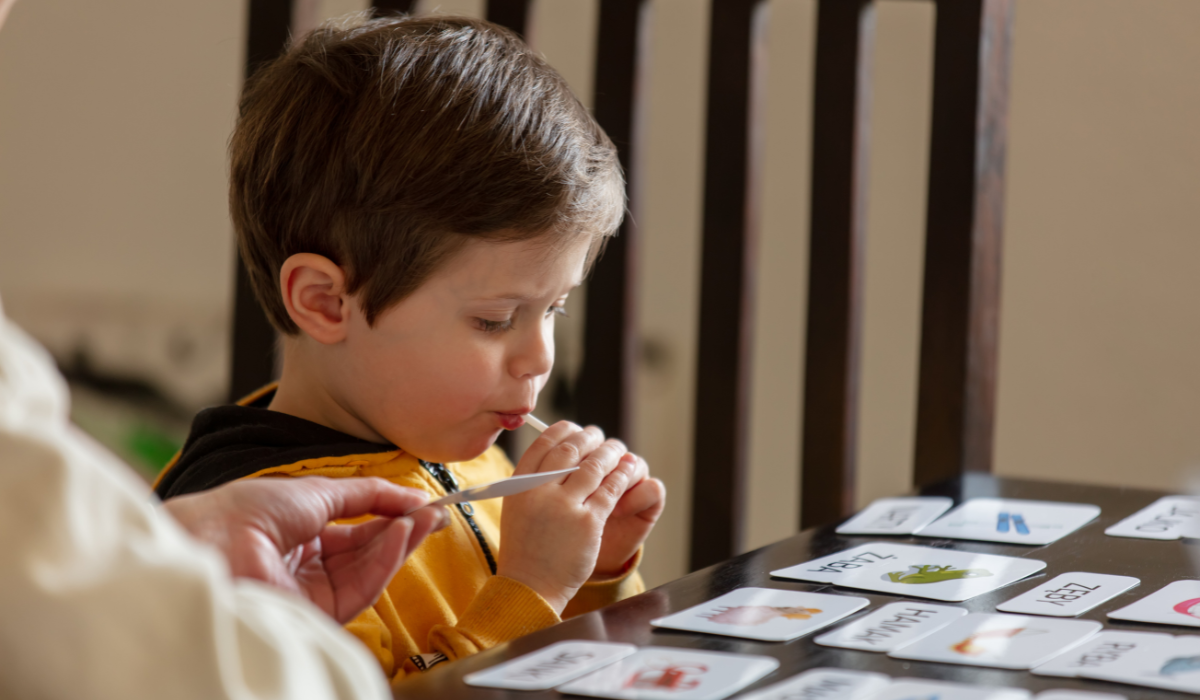
Through consistent practice, children learn that emotions are manageable and temporary. This understanding builds resilience and confidence. With support, children begin to apply coping skills independently, leading to improved emotional balance across different environments.
Positive Reinforcement and Emotional Confidence
Positive reinforcement plays a key role in emotional growth. When children are acknowledged for expressing emotions appropriately or using coping strategies, they are more likely to repeat those behaviors. Reinforcement can take many forms, including verbal praise, preferred activities, or small rewards that motivate continued progress.
This encouragement helps children associate emotional regulation with positive outcomes. Over time, they develop confidence in their ability to manage feelings effectively. Confidence, in turn, supports independence and a willingness to try new experiences without fear of failure.
Individualized Plans for Meaningful Progress
Every child’s emotional journey is unique. That is why individualized planning is central to effective emotional development. Therapists design goals that reflect the child’s current abilities while gently challenging them to grow. Goals are realistic, measurable, and aligned with the child’s daily life.
As children master emotional skills, plans are updated to reflect new priorities. This ongoing customization ensures that emotional growth remains relevant and impactful. Families are often included in this process, creating a collaborative approach that strengthens consistency across home and community settings.
Supporting Emotional Growth at Home and School
Emotional learning does not stop when sessions end. Caregivers and educators play a vital role in reinforcing emotional skills throughout the day. Consistent routines, clear communication, and predictable responses help children apply what they have learned in therapy.
Collaboration between therapists, families, and teachers ensures that emotional strategies remain consistent. This teamwork creates a supportive environment where children feel understood and encouraged. When emotional skills are reinforced across multiple settings, progress becomes more sustainable and meaningful.
Encouraging Social and Emotional Connections
Emotional growth is closely linked to social interaction. As children become more comfortable managing emotions, they are better able to engage with peers, share experiences, and respond appropriately in group settings. Emotional understanding helps children navigate friendships, cooperative play, and shared activities.
Through guided practice, children learn to interpret emotional cues and respond thoughtfully. These experiences foster empathy and strengthen social bonds. Emotional growth, supported through structured strategies, lays the groundwork for positive relationships and community participation.
Measuring Progress and Celebrating Success
Tracking emotional development is essential for ensuring continued growth. Therapists use data-driven methods to measure progress, identify patterns, and adjust strategies as needed. This approach ensures that emotional goals remain achievable and effective.
Celebrating milestones, both big and small, reinforces motivation and pride. Recognizing progress helps children see their own growth and encourages continued effort. Families also benefit from seeing tangible improvements, strengthening their confidence in the therapeutic process.
Accessing Local Support and Services
Families seeking professional guidance often look for trusted local providers who understand their community’s needs. Access to quality services, such as aba services in Cedar City, Utah, allows families to receive personalized care close to home. Local providers offer familiarity, consistency, and opportunities for collaboration with schools and community resources.
Choosing the right support system ensures that emotional development remains a priority throughout a child’s growth. With professional guidance and family involvement, children can continue building emotional skills that support long-term success.
Long-Term Benefits of Emotional Development
When emotional growth is nurtured early, children gain skills that extend far beyond childhood. Emotional awareness, regulation, and confidence support academic achievement, social engagement, and overall well-being. These skills empower children to face challenges with resilience and adaptability.
ABA Therapy Supports long-term emotional development by providing structured guidance that evolves with the child. The skills learned today become the foundation for independence, self-advocacy, and meaningful participation in daily life.
Conclusion
Emotional growth is a journey that requires patience, consistency, and the right support. Through structured strategies, individualized planning, and positive reinforcement, children can develop the emotional skills needed to thrive. ABA Therapy Supports this journey by breaking emotional learning into achievable steps and reinforcing progress across everyday experiences. With the right tools and collaboration, children can build confidence, resilience, and emotional balance that lasts a lifetime.
Possibilities ABA was founded on the belief that every child and young adult can succeed with the right tools. Our mission is to help our learners and their loved ones imagine the new opportunities and possibilities that come from meaningful growth and change.
FAQs
What does emotional growth mean for children with autism?
Emotional growth refers to a child’s ability to recognize feelings, express emotions appropriately, manage frustration, and respond calmly to challenges. These skills help children build confidence, improve daily interactions, and handle changes more effectively in home and learning environments.
How does ABA therapy help with emotional development?
ABA therapy uses structured, evidence-based strategies to teach emotional awareness, coping skills, and appropriate emotional responses. Skills are broken into small steps, practiced regularly, and reinforced positively to support steady emotional progress.
At what age should emotional support through therapy begin?
Emotional support can begin early in childhood, especially when families are searching for early autism intervention near me. Starting early allows children to develop foundational emotional skills during critical developmental stages, which can lead to better long-term outcomes.
Can emotional skills learned in therapy be used at home?
Yes, emotional skills are designed to be applied in everyday situations. Therapists often guide caregivers on how to reinforce these skills at home, helping children practice emotional regulation during daily routines, transitions, and social interactions.
How are emotional goals selected for each child?
Emotional goals are individualized based on assessments of the child’s current abilities, challenges, and daily needs. Goals are realistic, measurable, and adjusted over time to reflect growth and new priorities.
How does positive reinforcement support emotional growth?
Positive reinforcement encourages children to repeat appropriate emotional responses. When children receive praise or rewards for managing emotions well, they gain confidence and motivation to continue using those skills independently.
Does ABA therapy help children manage frustration and stress?
Yes, children are taught practical coping strategies to handle frustration and stress. Through repeated practice and guidance, they learn healthier ways to respond to challenging situations rather than feeling overwhelmed.
How long does it take to see emotional progress?
Progress varies for each child and depends on consistency, individual needs, and support across environments. Some children show improvements within months, while others benefit from ongoing support over a longer period.
Are families involved in the emotional development process?
Family involvement is strongly encouraged. Caregivers are often included in goal planning and training, ensuring emotional strategies remain consistent and effective at home and in the community.
Where can families find local ABA support services?
Families can explore professional providers offering aba services in Cedar City, Utah, or other nearby areas. Local services help ensure consistent care, easier collaboration, and ongoing support tailored to the community’s needs.