

In today’s world, structured learning is essential for children to develop important skills that support their growth in multiple areas of life. One approach that has consistently demonstrated positive outcomes is center-based ABA therapy. For families seeking quality support, ABA therapy in South Dakota offers children a structured environment where they can thrive academically, socially, and behaviorally. Center-based programs provide a highly organized setting that allows therapists to deliver personalized interventions effectively.
Structured Learning Environment
One of the primary advantages of center-based ABA therapy is the structured learning environment it provides. Children attend scheduled sessions with clearly defined routines, helping them understand expectations and develop consistency in their behaviors. This structure is particularly important because it supports skill acquisition in areas such as communication, social interaction, and daily living skills.
Unlike home-based therapy, center-based programs allow children to interact with multiple peers and trained therapists simultaneously, offering a natural setting to practice newly learned skills. The predictable routines within the center help children feel secure, which encourages participation and reduces anxiety during learning sessions.
Individualized Intervention Plans
Another key benefit of center-based ABA therapy is the ability to implement individualized intervention plans. Each child’s progress is monitored continuously, and therapists tailor activities based on performance data. These programs are designed to target specific skill deficits and build on existing strengths, ensuring that each learner receives the support they need to achieve measurable progress.
With a team of trained professionals, including Board Certified Behavior Analysts (BCBAs) and Registered Behavior Technicians (RBTs), centers provide expert guidance and supervision. This collaborative approach ensures that therapy sessions are effective and evidence-based, enhancing the overall learning experience. Families can feel confident knowing their child is receiving care from trained staff who specialize in behavioral interventions and skill development.
Opportunities for Peer Interaction
Social skills development is a crucial component of any learning program. Center-based ABA therapy offers unique opportunities for children to engage with peers in a structured setting. Group activities are carefully designed to encourage communication, teamwork, and problem-solving. Children can practice sharing, turn-taking, and appropriate social behaviors under the guidance of trained therapists.
This exposure to peer interactions in a controlled environment helps children generalize their skills to real-world scenarios. Over time, these social opportunities foster confidence, adaptability, and cooperation, which are essential for success in school and community settings.
Consistent Data Tracking and Progress Monitoring
One of the hallmarks of center-based ABA therapy is the systematic tracking of progress. Therapists collect data during every session, documenting skill acquisition, behavior reduction, and other developmental goals. This consistent monitoring allows for data-driven decisions, ensuring interventions are adjusted promptly to meet the child’s evolving needs.
Parents benefit from regular reports and meetings, providing transparency and insight into their child’s progress. This structured feedback loop enhances collaboration between families and therapists, fostering an environment where children can achieve meaningful growth. The ability to track outcomes objectively also helps centers maintain high standards of care and accountability.
Enhanced Therapist Supervision and Collaboration
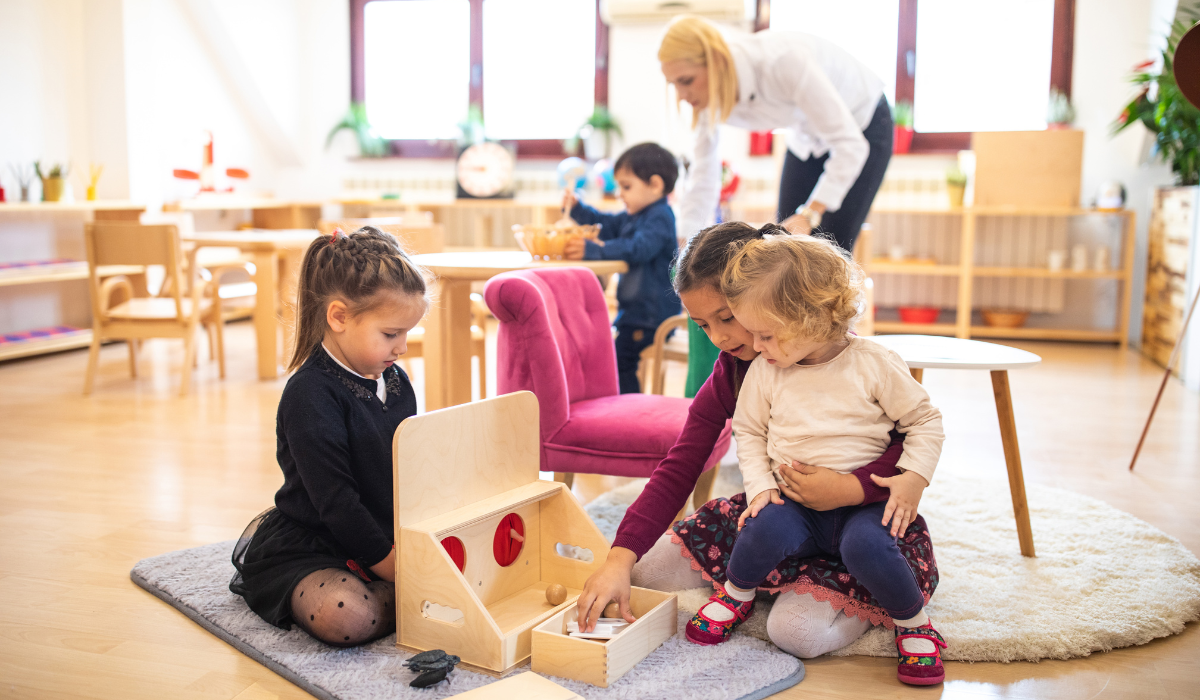
In a center-based setting, children benefit from increased supervision and collaboration among professionals. RBTs, under the direction of BCBAs, implement individualized programs while receiving real-time guidance. This team-based approach ensures consistency in therapy delivery and allows for continuous refinement of strategies.
Centers also provide opportunities for ongoing staff training and development, which keeps therapists up-to-date with the latest techniques and best practices in behavioral therapy. For families looking for qualified support, searching for rbt jobs near me can also indicate the presence of experienced professionals in the community. This highly coordinated approach enhances the effectiveness of interventions and promotes long-term skill development.
Structured Transition to School and Community Settings
Children who participate in center-based ABA therapy often experience smoother transitions to school and community environments. Because these centers replicate structured routines similar to those found in classrooms, children are better prepared for academic and social demands outside the therapy setting.
By practicing routines, communication skills, and problem-solving in a controlled environment, learners gain the confidence and competence necessary for independent functioning. This preparatory aspect of center-based therapy supports both short-term achievements and long-term success.
Family Involvement and Education
While center-based ABA therapy focuses on the child, family involvement remains a vital component. Centers often provide parent training and workshops to equip caregivers with strategies that reinforce skills at home. This collaborative approach ensures continuity between therapy sessions and daily life, amplifying the effectiveness of interventions.
Parents gain insight into behavioral strategies, goal setting, and progress tracking, empowering them to support their child’s growth actively. Family education fosters a sense of partnership and shared responsibility, which enhances the overall impact of the therapy program.
Conclusion
In summary, center-based ABA therapy offers a structured, collaborative, and evidence-based approach to supporting children’s learning and growth. By providing individualized interventions, opportunities for peer interaction, consistent data tracking, and expert supervision, these programs create an environment where children can thrive academically, socially, and behaviorally. Families benefit from clear communication, parent training, and the assurance that skilled professionals are guiding their child’s development every step of the way.
Possibilities ABA was founded on the belief that every child and young adult can succeed with the right tools. Our mission is to help our learners and their loved ones imagine the new opportunities and possibilities that come from meaningful growth and change.
FAQs
What is Center-Based ABA Therapy?
Center-Based ABA Therapy is a structured, professional program designed to support children’s learning and behavioral development in a controlled environment. Unlike home-based therapy, it provides a dedicated center with scheduled sessions, trained therapists, and opportunities for peer interaction. These programs focus on skill acquisition, behavior management, and overall growth, ensuring children make measurable progress in a supportive setting.
How does Center-Based ABA Therapy differ from home-based therapy?
The main difference is the environment and level of structure. While home-based therapy occurs in a familiar setting, Center-Based ABA Therapy offers a controlled environment with multiple trained staff members, consistent routines, and access to peer interactions. This structured approach allows children to practice social skills, follow schedules, and adapt to routines similar to school settings, which can enhance generalization of skills.
Who provides Center-Based ABA Therapy?
Sessions are conducted by a team of Board Certified Behavior Analysts (BCBAs) and implemented by Registered Behavior Technicians (RBTs). BCBAs design individualized programs based on each child’s goals, while RBTs carry out the therapy under supervision. For parents seeking qualified professionals, searching for rbt jobs near me can indicate available skilled staff in their area.
What are the key benefits of Center-Based ABA Therapy?
- Structured Learning: Predictable routines help children understand expectations and reduce confusion.
- Individualized Programming: Each child receives a plan tailored to their unique needs, focusing on skill development and behavior improvement.
- Peer Interaction: Children learn social skills and teamwork in a controlled group setting.
- Consistent Progress Monitoring: Data-driven tracking allows therapists to adjust interventions effectively.
- Family Education: Parents are trained to reinforce skills at home, supporting continuity and long-term growth.
What skills can children develop through Center-Based ABA Therapy?
Children can learn a broad spectrum of skills, including:
- Communication and language skills
- Social interaction and cooperation
- Daily living skills, such as self-care and routines
- Problem-solving and decision-making
- Academic readiness skills
Individualized programs ensure that therapy addresses each child’s strengths and challenges for maximum impact.
How is progress measured in Center-Based ABA Therapy?
Progress is measured through continuous data collection during therapy sessions. Therapists track skill mastery, behavior improvement, and goal achievement. This data is analyzed regularly to refine intervention strategies, ensuring the therapy remains effective. Parents receive detailed reports and feedback meetings to stay informed about their child’s development.
Can parents participate in Center-Based ABA Therapy?
Yes. Parent involvement is a vital component of successful therapy. Centers often provide training sessions and workshops to teach parents strategies to reinforce skills at home. By learning techniques directly from trained professionals, families can create a consistent learning environment, which enhances the child’s progress.How often are therapy sessions held in a center-based program?
The frequency of sessions depends on each child’s individualized plan. Many centers offer multiple sessions per week, ranging from a few hours to full-day programs. Therapists determine the intensity of therapy based on the child’s needs and goals, ensuring optimal outcomes while balancing rest and other daily activities.
Is Center-Based ABA Therapy suitable for all children?
Center-Based ABA Therapy is suitable for children who benefit from structured routines, individualized support, and peer interaction. Each program tailors activities to a child’s developmental level and goals, adapting them to different needs. Parents seeking local options can look for ABA therapy in South Dakota to find programs with experienced professionals.
How does Center-Based ABA Therapy prepare children for school?
Centers often replicate classroom routines and group activities, which helps children develop skills such as following instructions, waiting their turn, and interacting with peers. By practicing these skills in a structured environment, children learn to transition smoothly into school settings and other community activities.