Playdates Made Easy: 7 Steps for Positive Social Interactions
September 21, 2025
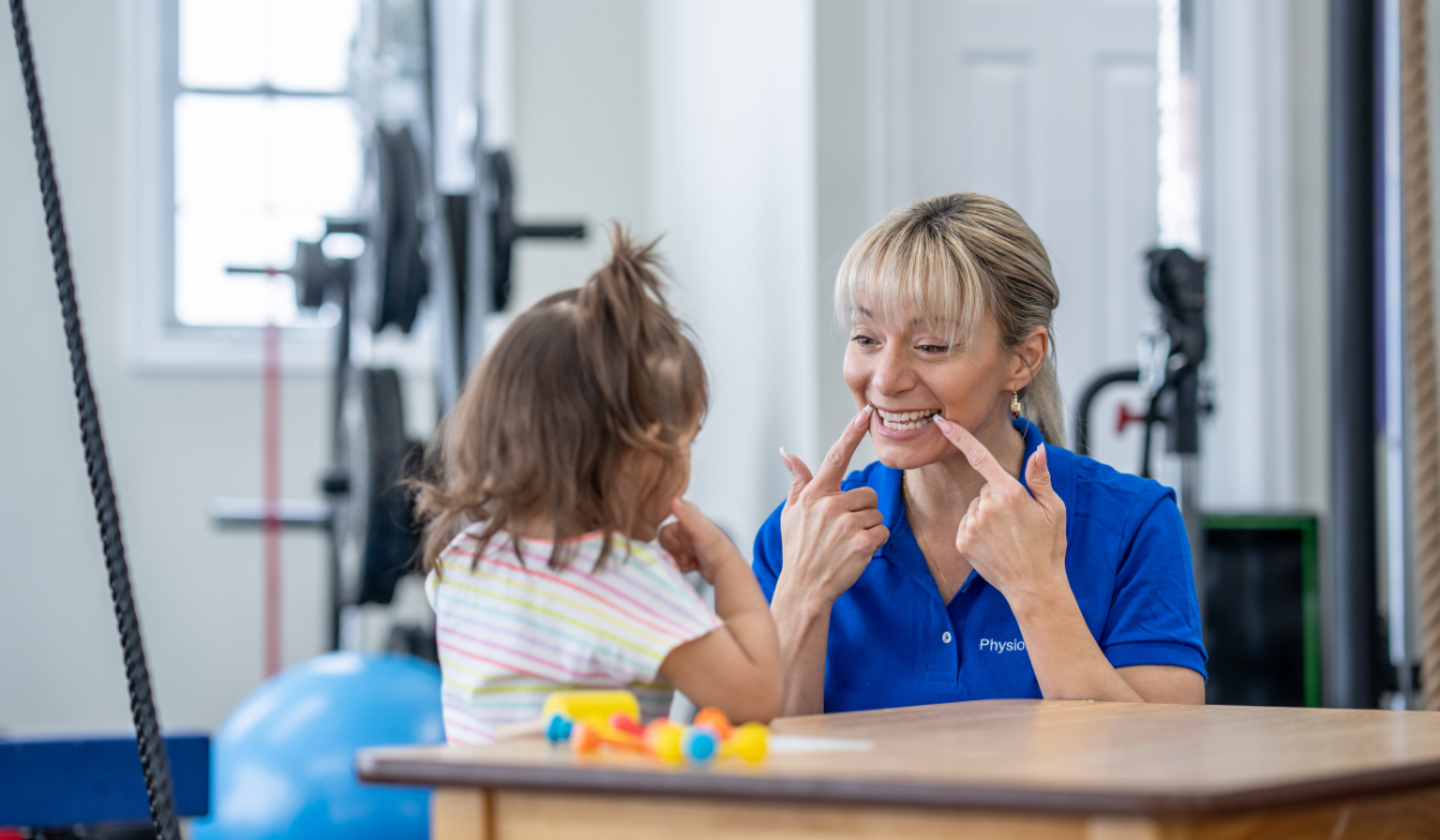
Social skills are fundamental for children’s emotional and social development. Playdates are more than just fun—they offer an essential opportunity for kids to practice communication, cooperation, and problem-solving. For many parents, organizing a successful playdate can feel overwhelming. How do you ensure children interact positively? How do you set up a playdate that promotes learning, not conflict? With intentional planning and guidance, playdates can become a productive and enjoyable experience for both children and parents.
Here are 7 steps for positive social interactions during playdates, focusing on fostering social skills in children.
1. Set Clear Expectations Before the Playdate
Before any child arrives, it is important to establish guidelines for behavior. Explain to your child what is expected of them during the playdate. Use simple, age-appropriate language to describe concepts like sharing toys, taking turns, and using polite words.
You can also communicate these expectations to the parents of the other child. This ensures consistency and reduces misunderstandings. For example, you might say, “We usually ask children to take turns with toys and use calm voices.”
Setting clear expectations before a playdate helps children understand boundaries, reduces conflicts, and promotes positive social skills.
2. Choose the Right Environment
The environment can greatly influence the quality of social interactions. A playdate in a quiet, comfortable space is often more successful than a chaotic or overstimulating area. Consider hosting playdates in your home, a park, or a community center with space for structured activities and free play.
Ensure there are enough toys or activities to prevent competition and frustration. Rotating toys and offering different options helps children engage in cooperative play, fostering sharing, negotiation, and teamwork—all key social skills.
3. Plan Engaging and Cooperative Activities
Activities that require collaboration naturally encourage social learning. Group games, building projects, art activities, or cooperative board games provide opportunities for children to practice communication, patience, and problem-solving.
It is helpful to plan activities with varying levels of complexity to match the children’s abilities. For younger children, simple activities like building a block tower together or drawing a large mural encourage turn-taking and teamwork. For older children, cooperative games that require strategy and communication can strengthen leadership and compromise skills.
By thoughtfully selecting activities, parents can create a positive structure for children to develop essential social skills while having fun.
4. Model Positive Social Behavior
Children learn a lot by observing adults. Demonstrating appropriate communication, conflict resolution, and empathy during playdates can reinforce the social behaviors you want your child to adopt.
If a disagreement arises, calmly show children how to solve the problem. For example, if two kids want the same toy, you might say: “I see both of you want the truck. Let’s set a timer so each of you gets a turn.”
Modeling these behaviors allows children to internalize the principles of sharing, cooperation, and understanding, enhancing their social skills over time.
5. Encourage Communication and Expression
Encouraging children to express their thoughts and feelings is essential for developing social competence. Ask open-ended questions like: “How did you feel when you shared your toy?” or “What was your favorite part of the game?”
This promotes reflective thinking, active listening, and empathy. Children learn to articulate emotions and respond thoughtfully to others, which are vital components of strong social skills.
6. Provide Positive Reinforcement
Acknowledging and praising positive behaviors helps reinforce good social habits. Praise specific actions rather than general statements. Instead of saying, “Good job,” try, “I liked how you waited for your turn and said thank you.”
Positive reinforcement encourages children to repeat constructive behaviors, like taking turns, sharing, and helping peers. Over time, these practices strengthen the foundation for lifelong social skills and improve overall confidence during interactions.
7. Reflect and Debrief After the Playdate
After a playdate, take a few moments to discuss the experience with your child. Ask what they enjoyed, what was challenging, and what they learned. Reflecting on the interactions allows children to recognize successes and identify areas for improvement.
This reflection reinforces the social lessons learned during playdates, from sharing and patience to communication and problem-solving. It also gives parents insight into their child’s development, enabling them to plan future playdates that further promote social skills.
Additional Tips for Successful Playdates
- Limit Playdate Duration: Young children benefit from short, structured sessions to avoid fatigue and frustration.
- Gradual Exposure: If your child is shy or struggles with social interactions, start with one-on-one playdates before moving to larger groups.
- Consistency: Regular playdates provide ongoing practice and reinforce learning, which supports the development of robust social skills.
- Collaboration with ABA Professionals: Parents seeking additional guidance may consult ABA therapists in Cedar City or explore home ABA therapy near me. Professionals can provide tailored strategies for fostering social interactions and confidence in various settings.
Parents who integrate these strategies with professional guidance, like in-home ABA therapy services near me, can ensure children gain consistent support while building friendships in a safe, structured environment. Opportunities for social learning during playdates can complement the skills reinforced through therapy sessions, creating a seamless path to growth.
The Role of ABA Support in Enhancing Social Skills
Applied Behavior Analysis (ABA) therapy focuses on teaching practical life skills and promoting social learning through structured interventions. Playdates provide an ideal setting to practice these skills in a natural environment.
Families seeking professional guidance can connect with best in home ABA therapy near me providers or check BCBA jobs near me for licensed professionals who specialize in supporting social development. ABA therapists can offer strategies to reinforce positive social behaviors, guide parents in creating effective playdate plans, and provide feedback on progress.
By integrating ABA strategies with everyday playdate experiences, children can enhance their social skills in a comfortable, supportive setting, ensuring that lessons learned during therapy translate into real-world interactions.
Encouraging Lifelong Social Competence
Developing strong social skills during childhood sets the stage for meaningful relationships throughout life. Playdates are more than recreational—they are a learning opportunity. By following these seven steps and integrating consistent reinforcement, parents can help their children become empathetic, communicative, and cooperative individuals.
Remember, the key to successful playdates is preparation, patience, and positive modeling. With intentional planning, children can enjoy engaging interactions, learn valuable lessons, and build lasting friendships.
Whether through structured activities, thoughtful guidance, or professional support from in-home ABA therapy near me providers, every child can thrive socially when given the right tools.
Playdates can be a time of joy, growth, and learning—an opportunity for children to practice and master the social skills that will serve them well into adulthood.
About Possibilities ABA:
Possibilities ABA was founded on the belief that every child and young adult can succeed with the right tools. Our mission is to help our learners and their loved ones imagine the new opportunities and possibilities that come from meaningful growth and change.
FAQs
Why are playdates important for developing social skills?
Playdates provide children with structured opportunities to practice communication, cooperation, problem-solving, and turn-taking. These interactions help strengthen social skills, which are essential for building friendships and navigating group settings.
How can I prepare my child for a successful playdate?
Preparation involves setting clear expectations, discussing appropriate behavior, and introducing rules about sharing and polite communication. Parents can also plan age-appropriate activities to encourage cooperative play and reinforce social skills.
What types of activities promote positive social interactions?
Cooperative games, art projects, building activities, and group board games encourage communication, teamwork, and empathy. Planning structured activities alongside free play ensures children practice social skills in a natural setting.
How long should a playdate last?
Short playdates, usually 1–2 hours, are ideal for younger children to prevent fatigue and conflicts. Gradually increasing the duration as children become more comfortable helps them practice social skills in longer interactions.
How can parents handle conflicts during playdates?
Modeling calm problem-solving is key. For example, use timers for shared toys or encourage children to express their feelings politely. Positive reinforcement and gentle guidance help children internalize constructive social skills.
Can professional ABA therapy help improve playdate interactions?
Yes. ABA therapists in Cedar City and professionals offering in-home ABA therapy near me or in-home ABA therapy services near me can provide tailored strategies to support social interaction, turn-taking, and cooperative behavior during playdates.
How can I reinforce social skills learned during playdates?
After a playdate, discuss what your child enjoyed and what was challenging. Encourage reflection and praise specific behaviors like sharing or using polite language. Regular reinforcement strengthens their social skills over time.
What if my child is shy or struggles with social interactions?
Start with one-on-one playdates or small groups and gradually expand. Collaborating with ABA therapists in Cedar City or exploring best in home ABA therapy near me can provide additional support to build confidence in social situations.
Questions about starting ABA?
Our intake team has heard them all. Really.