
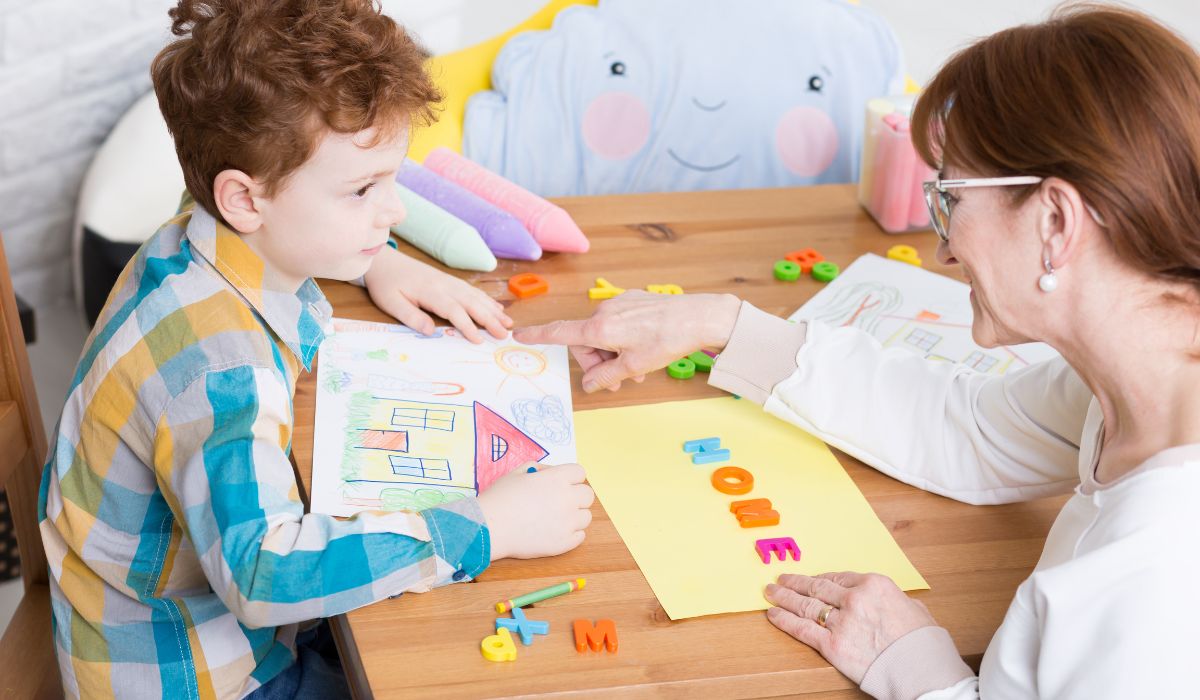
Communication and social interaction are important parts of a child’s development. For many children with autism, these areas can be especially challenging. Some children may have difficulty expressing their needs, understanding conversations, responding to social cues, or building friendships with peers.
ABA therapy can help children strengthen communication and social skills in a structured and supportive way. At Possibilities ABA, families exploring Center-Based ABA Therapy often want to know how therapy can help their child interact with others more confidently and participate more fully in daily life.
Because every child has different strengths and challenges, ABA therapy uses individualized goals to target the specific communication and social skills each child needs most.
Why Communication and Social Skills Matter
Communication and social interaction affect nearly every part of a child’s daily life. Children use these skills to express needs, build relationships, participate in school, play with peers, and navigate family routines.
When communication is difficult, children may become frustrated because they cannot express what they want or need. Social challenges can also make it harder for children to participate in group activities, make friends, or feel comfortable in new situations.
ABA therapy helps break communication and social skills into smaller, manageable steps so children can practice them gradually over time.
How ABA Therapy Supports Communication Development
Communication goals in ABA therapy can vary depending on the child’s age, language level, and individual needs. Some children may be learning to use their first words, while others may be working on conversation skills or understanding more complex language.
ABA therapy may help children learn how to:
- ask for items or activities
- request help when needed
- answer simple questions
- follow directions
- use gestures, pictures, or communication devices
- express feelings and preferences
- participate in conversations
- stay on topic during interactions
For some children, therapy may focus on verbal communication. For others, therapy may include nonverbal communication strategies such as sign language, picture exchange systems, or speech-generating devices.
Improving communication skills can reduce frustration and help children feel more confident when interacting with family members, teachers, and peers.
Teaching Children How to Interact With Peers
Peer interaction can be difficult for children who do not yet understand social rules or feel unsure about how to join activities with others. ABA therapy can help children build these skills in a step-by-step way.
Children may practice how to:
- greet peers
- make eye contact
- ask someone to play
- take turns during games
- share toys and materials
- respond when another child speaks
- wait appropriately during group activities
- handle disagreements calmly
These skills can help children become more comfortable around others and create more positive experiences during playdates, school activities, and community events.
Families interested in Center-Based ABA Therapy often choose this setting because it provides more opportunities for children to practice peer interaction in a structured environment.
Group Learning and Social Opportunities
Group activities can be an important part of ABA therapy, especially in center-based settings. Children may participate in small groups where they practice communication, cooperation, and social interaction with others.
Group learning opportunities may include:
- circle time
- games and group activities
- pretend play
- arts and crafts
- snack routines
- story time
- music and movement activities
These experiences can help children learn how to participate with others, follow group directions, and build comfort in social settings.
For many children, Center-Based ABA Therapy creates opportunities to interact with peers more regularly than they might in other settings.
Real-World Practice for Social Skills
Social and communication skills are often most effective when children can use them in everyday situations. ABA therapy may include practice in real-world settings so children can apply what they learn during therapy to daily life.
Real-world practice may include:
- greeting family members
- participating in family meals
- interacting with siblings
- playing at the park
- attending birthday parties
- participating in school activities
- following social expectations in the community
The goal is not only for children to learn skills during therapy sessions but also to use those skills in natural settings where they matter most.
Families exploring In-Home ABA Therapy may also use home-based sessions to practice communication and social skills during everyday family routines.
Helping Children Understand Social Cues
Many children with autism need extra support understanding social cues. These are the small signals people use during conversations and interactions, such as facial expressions, body language, tone of voice, and personal space.
ABA therapy can help children learn how to:
- recognize emotions in others
- notice when someone is happy, sad, or upset
- understand body language
- identify appropriate personal space
- recognize when someone wants to talk or play
- respond appropriately to social situations
Learning these skills can make social interactions feel less confusing and help children feel more comfortable in group settings.
Why Center-Based ABA Therapy Can Support Social Skills
For many children, center-based ABA therapy is especially helpful because it provides built-in opportunities for communication and social interaction throughout the day.
Center-based settings often allow children to:
- practice skills with peers
- participate in group routines
- follow directions from multiple adults
- experience structured social activities
- build friendships over time
- apply communication skills in different situations
Because children are surrounded by peers and structured learning opportunities, they may have more chances to practice the social skills they are working on during therapy.
Families can learn more about Center-Based ABA Therapy and other autism support services by visiting the Possibilities ABA
Conclusion
At Possibilities ABA, we believe every child and young adult can thrive with the right support. Through our evidence-based ABA (Applied Behavior Analysis) therapy, we help learners develop essential skills, build confidence, and achieve meaningful growth. Our mission is to empower both learners and their families to explore new opportunities, embrace positive change, and unlock their full potential.
FAQs
Can ABA therapy help children make friends?
ABA therapy can help children learn the social skills needed to build friendships, such as greeting peers, taking turns, sharing, and joining group activities. These skills can make social situations feel less stressful and more enjoyable.
How does ABA therapy help with communication?
ABA therapy can help children learn how to ask for what they need, answer questions, follow directions, and participate in conversations. Some children may also use pictures, gestures, or communication devices as part of therapy.
Is center-based ABA therapy better for social skills?
Center-based ABA therapy can be especially helpful for social development because children often have more opportunities to interact with peers in a structured setting. Group activities and social routines can provide regular practice.
Can in-home ABA therapy also support communication skills?
Yes, in-home ABA therapy can help children practice communication during family routines, playtime, meals, and other everyday activities. Home-based therapy may also help children use communication skills more naturally in their daily environment.
What social skills can children learn in ABA therapy?
Children may learn skills such as taking turns, sharing, greeting others, maintaining eye contact, understanding personal space, joining group activities, and responding to social cues.
Can ABA therapy help children who struggle with eye contact?
Yes, ABA therapy may include goals related to eye contact and attention during conversations. Therapists can help children practice these skills gradually in a way that feels comfortable and appropriate for the child.
Does ABA therapy help with understanding emotions?
ABA therapy can help children learn how to recognize emotions in themselves and others. Children may practice identifying facial expressions, tone of voice, and body language to better understand social situations.