
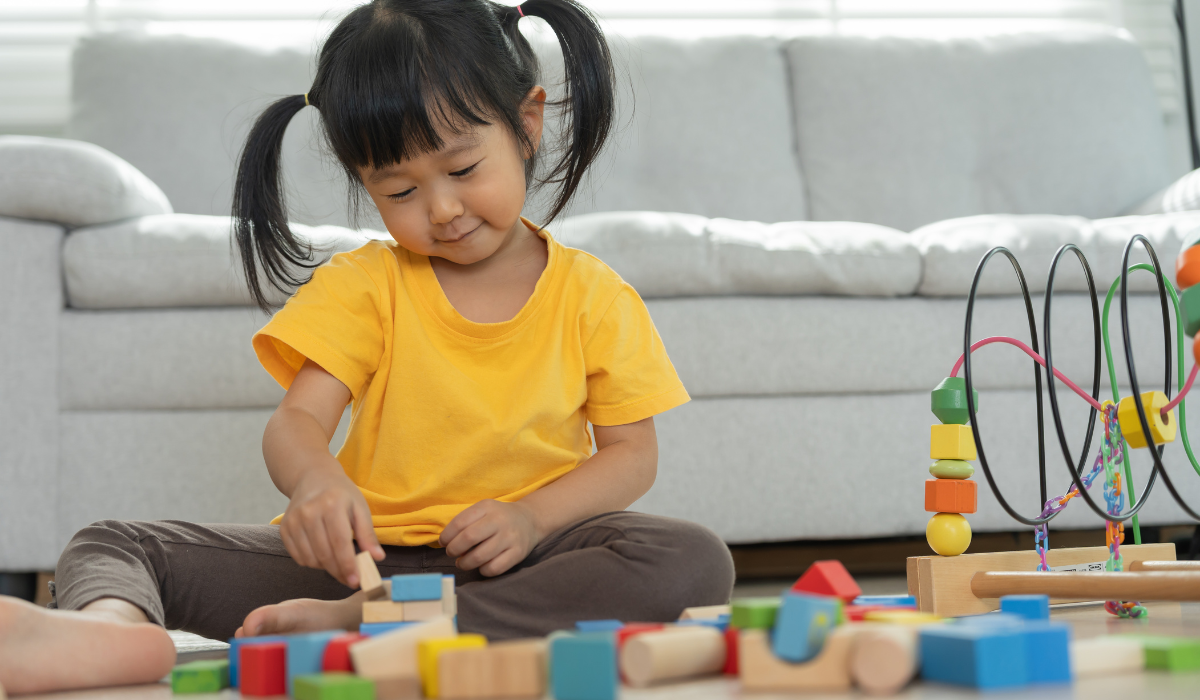
Generalizing skills learned in therapy to real-life situations is one of the most critical aspects of ABA therapy. Families often search for the best aba therapy near me to ensure their child can apply new skills beyond the therapy setting. While progress in structured sessions is valuable, the true measure of success is seeing those skills in everyday life.
Understanding Skill Generalization
Skill generalization is the process of applying what a child learns in a controlled environment, like a therapy session, to multiple settings, people, and situations. For example, a child may learn how to ask politely for a snack in a therapy room but may struggle to do so at home, school, or in public. Generalization ensures that learned behaviors are not limited to the therapist’s guidance but become a natural part of the child’s life.
One of the biggest challenges in ABA therapy is bridging the gap between learning and practical application. Without support, children may perform a skill during therapy but fail to transfer it to other environments.
Why Generalization Is Important
Generalizing skills is essential for building independence, social competence, and functional abilities. Children who can apply skills across contexts experience less frustration and more confidence in their abilities. For families using in home aba services in cedar city, this step ensures that the investment in therapy translates into meaningful improvements at home, school, and in the community.
When children successfully generalize skills, it reinforces learning and reduces the need for constant prompting. It also supports natural social interactions and problem-solving, which are critical for lifelong success.
Strategies to Promote Generalization
There are several evidence-based strategies ABA therapists and parents can use to encourage skill generalization.
1. Practice in Multiple Settings
Children need opportunities to practice skills in various environments. Therapists can structure sessions in different rooms or introduce activities in community settings. Parents can reinforce this by practicing skills during everyday routines, such as grocery shopping or family outings.
By gradually exposing children to new contexts, they learn that the skill is not limited to one place. This approach also helps the child understand when and where the behavior is appropriate.
2. Involve Different People
Skills should be practiced with multiple people, not just the primary therapist. This could include family members, peers, teachers, or even community helpers. Involving diverse individuals ensures that children do not become reliant on a single cue or person to perform a skill.
For example, if a child learns to request help from a therapist, they should also practice asking a parent, sibling, or teacher. This helps the child understand that the skill has broad applicability, rather than being tied to one person or routine.
3. Vary the Materials and Context
Using different materials or changing the context of an activity can enhance generalization. If a child learns to identify colors using specific cards in therapy, practicing with toys, books, or real-life objects reinforces the concept.
Varying the context helps the child recognize the underlying principle of the skill rather than just memorizing a single scenario. This flexibility is key for applying learned behaviors across multiple situations.
4. Use Natural Reinforcement
Reinforcement should be meaningful and directly related to the skill. Natural reinforcement occurs when a child receives an immediate benefit from using the skill appropriately.
For example, if a child correctly asks for a snack at the kitchen table, giving the snack serves as natural reinforcement. Using real-life consequences instead of artificial rewards helps children understand the practical importance of the skill.
5. Plan for Maintenance
Generalization isn’t just about using skills in new situations—it’s also about maintaining them over time. ABA therapy programs often include strategies to gradually reduce prompts while continuing to monitor performance.
Parents can support maintenance by incorporating daily routines that reinforce skills, tracking progress, and collaborating closely with therapists. Consistent practice ensures that newly acquired abilities become a permanent part of the child’s repertoire.
Role of Parents in Skill Generalization
Parents play a pivotal role in helping children generalize skills. By practicing skills in everyday routines, modeling appropriate behavior, and providing supportive feedback, parents bridge the gap between therapy and real-life application.
It is important for parents to work closely with ABA therapists to understand which skills need extra reinforcement and how to implement them at home. Families who are proactive in practicing skills outside of sessions often see faster and more lasting results.
Collaborating With ABA Therapists
ABA therapists design individualized programs and strategies that account for generalization. Regular communication with therapists allows parents to receive guidance on effective reinforcement techniques, practice schedules, and progress tracking.
Families seeking bcba jobs near me may also be interested in understanding how therapists implement generalization strategies. These professionals often create specific plans to ensure that skills are practiced across settings, by multiple people, and with varied materials.
Common Challenges and Solutions
Even with careful planning, generalization can present challenges. Children may perform well in therapy but resist using skills elsewhere. Common reasons include:
- Context dependence: Skills are linked to a specific location or person.
- Motivation differences: Reinforcers used in therapy may not be appealing in other settings.
- Environmental distractions: Busy or unpredictable environments can disrupt skill use.
Solutions involve gradual exposure to new contexts, using highly motivating reinforcers, and breaking tasks into smaller, manageable steps. Collaboration between therapists and parents ensures that obstacles are addressed promptly.
Technology and Generalization
Technology can support skill generalization. Video modeling, apps, and visual aids can provide additional practice outside of therapy sessions. Children can watch themselves or others performing a skill, helping reinforce the correct behavior.
Online tools can also allow therapists and parents to track progress and adjust strategies based on real-time performance, ensuring skills transfer successfully into daily life.
Celebrating Small Wins
Acknowledging and celebrating small successes is critical. Positive reinforcement encourages children to continue using their skills and builds confidence.
Even minor achievements, like requesting an item from a sibling or greeting a teacher politely, represent important steps toward independent functioning. Families should celebrate these milestones and provide supportive feedback consistently.
Long-Term Benefits
Successful generalization leads to lasting independence, social competence, and functional skills. Children gain confidence, families see tangible results, and the value of ABA therapy becomes evident in everyday life.
With consistent practice, collaboration, and thoughtful reinforcement, children can master new skills and use them effectively in multiple settings. This ultimately enhances their quality of life and prepares them for future challenges.
Conclusion
Helping kids generalize skills from ABA therapy to real-life situations is a collaborative process involving therapists, parents, and the child. By practicing skills in varied contexts, involving different people, using meaningful reinforcement, and celebrating successes, families ensure that learned behaviors translate into practical, everyday application. This approach strengthens independence, builds confidence, and maximizes the impact of therapy.
About Us:
Possibilities ABA was founded on the belief that every child and young adult can succeed with the right tools. Our mission is to help our learners and their loved ones imagine the new opportunities and possibilities that come from meaningful growth and change.
FAQs
What does it mean for a child to generalize skills in ABA therapy?
Generalization is when a child applies skills learned during ABA therapy to different settings, situations, or with different people. For example, a child who learns to request help in therapy should be able to ask for help at home, school, or in public.
Why is skill generalization important for children?
Skill generalization ensures that learned behaviors become functional in everyday life. It helps children gain independence, build confidence, and reduces reliance on prompts from therapists or parents.
How can parents support generalization at home?
Parents can:
- Practice skills in various real-life settings
- Involve multiple family members and peers
- Use natural reinforcement related to the skill
- Track progress and maintain consistency
How do ABA therapists promote generalization?
ABA therapists design individualized programs that include:
- Practicing skills in multiple environments
- Introducing different materials and contexts
- Gradually reducing prompts
- Monitoring progress and providing feedback
Can technology help children generalize skills?
Yes. Video modeling, apps, and visual aids provide additional practice outside therapy sessions. These tools reinforce correct behavior and help children remember to apply skills in real-life situations.
What challenges might occur when teaching generalization?
Common challenges include:
- Skills being linked to a specific person or setting
- Low motivation in different environments
- Distractions in real-life contexts
- These can be addressed by gradual exposure, using motivating reinforcers, and structured practice.
How long does it take for a child to generalize a skill?
The timeline varies depending on the child, skill complexity, and practice consistency. With regular support from therapists and parents, most children show progress in weeks to months.
Where can I find professional ABA support for generalization?
Families can search for in home aba services in South Dakotaor other local providers to find qualified therapists who specialize in teaching skills that generalize to everyday life.